What Should A Child With Eczema Wear To Bed?
27 July 2026
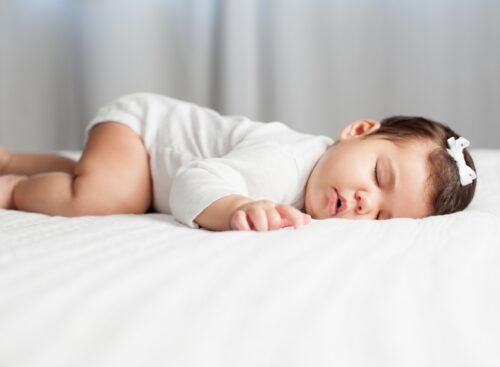
Choosing textiles that are breathable and temperature regulating, with smooth seams and no scratchy labels, helps reduce the overheating, sweating and friction that trigger itching at night. Covering the hands and feet, where children scratch most, also limits the damage done while they sleep.
If you are reading this in the small hours, worn out after another night of your little one scratching, crying and struggling to settle, we see you. Eczema is exhausting for the whole family, and the nights are often the hardest part of all. The reassuring news is that what your child wears to bed can genuinely help calm those nights, for them and for you. Let us walk through why nights are so hard, and what actually helps.
Why Does Eczema Get Worse at Night?
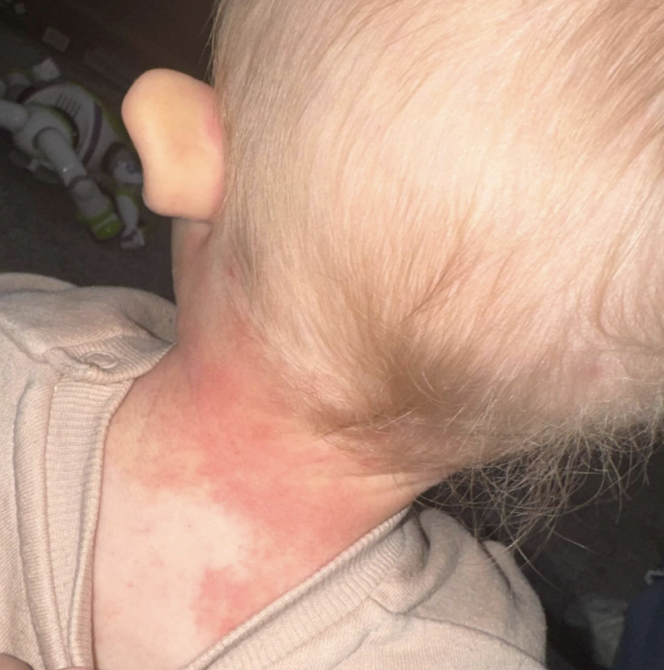
It is not simply that there are fewer daytime distractions. There is real biology at work. As evening comes, the skin loses more water than it does during the day, so an already fragile barrier dries out further just as your child settles down. At the same time the body’s production of corticosteroids, its natural anti-inflammatory hormones, falls overnight while inflammatory molecules rise, which lets itch build. Research also shows that itch tends to increase in the evening, and that heat and sweating are particularly likely to make it worse. Add a warm bedroom, cosy bedding and the sweat that gathers under the covers, and scratching sets in, which damages the skin and breaks sleep even more.
Here is the helpful part. Nearly all of those triggers, warmth, sweat and friction, come down to what your child wears to bed. If you would like more soothing techniques, our guide on how to stop your toddler or child itching at night goes into more detail.
Read More: Eczema And Sleep From Eczema UK
How Can the Right Sleepwear Help, and How Quickly?
Let us be honest, because that matters. No pair of pyjamas will cure eczema. But the right sleepwear helps manage the very triggers that make nights worse. It keeps your child cool so they sweat less, it stays smooth so it does not rub against sore skin, and it can protect the areas they scratch most.
If you are wondering how soon you might see a difference, we asked HappySkin parents exactly that. Most noticed a change in their child’s skin within the first two weeks, and many told us the biggest difference was better sleep and less discomfort through the night. Some see calmer skin sooner than that. It is not instant, but for a great many families it comes far faster than the months of broken sleep they had feared. Most eczema sleepwear is a passive fabric that simply tries not to irritate. Ours actively works with your child’s skin through the night.
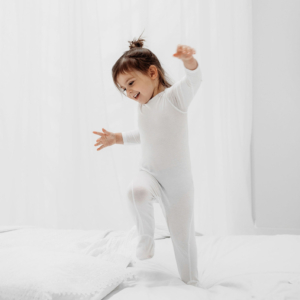
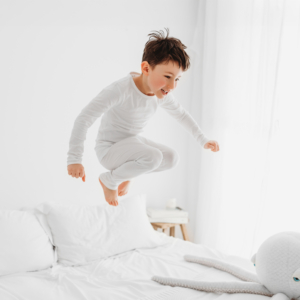
Our eczema sleepsuits and children’s pyjamas are made from soft, breathable TENCEL Cotton coated in our patented DreamSkin technology. It helps regulate moisture and temperature much like healthy skin would, so your child stays comfortable rather than too hot or too cold, and it forms a gentle antibacterial layer that shields the skin as they sleep. It has clinically proven anti inflammatory properties, it is dermatologist recommended, and it has been proven across more than 32,000 children and adults.
Parents trust it too. HappySkin is rated 4.6 out of 5 from over 2000+ reviews, many from families who came to us at their most exhausted.
“My little one used to have trouble sleeping at night and would wake up often because of discomfort. Ever since we got the sleepsuits from HappySkin, I’ve noticed a change. He’s scratching less and can sleep all night long.”_Kyla
You may have come across wet wrapping as a way to calm skin overnight, but it can trap heat against already inflamed skin and does not actually help moisturiser absorb any better. Our sleepwear was made to give that same round the clock support, without those drawbacks, in something your child simply wears to bed.
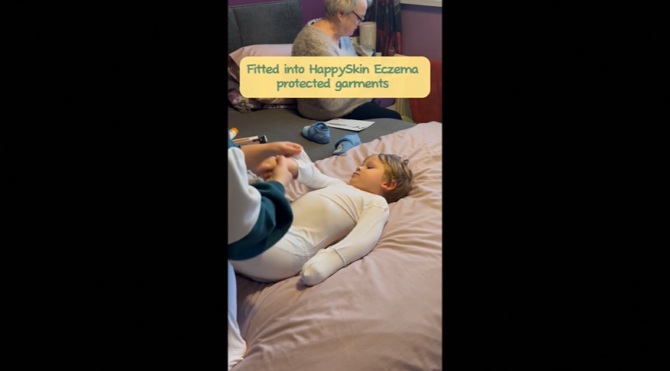
Bedtime Routine With HappySkin and Mom Kyla
Not Sure Where to Start?
If you are too tired to weigh up every option, here is the simple version.
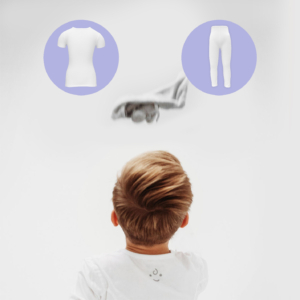
For babies, begin with an eczema sleepsuit, which covers the most skin in one soft, breathable layer through the night. For older children, our pyjamas do the same job. If your child scratches their hands or feet raw, add eczema gloves and socks to protect those hotspots. And if you would rather try a few pieces together, our bundles are an easy way to start.
HappySkin is designed for dry, sensitive and mild to moderate eczema prone skin, from babies through to older children.
How Can You Protect Little Hands and Feet at Night?
Scratching does the most damage where small fingers and toes can reach, so protecting those areas is one of the quickest wins for overnight relief. The National Eczema Society recommends cotton gloves or mittens, and all-in-one sleepsuits with built-in mittens for babies and children, to reduce the damage done by scratching at night. For hands, soft eczema gloves or built-in mittens stop little nails from breaking the skin while your child sleeps.
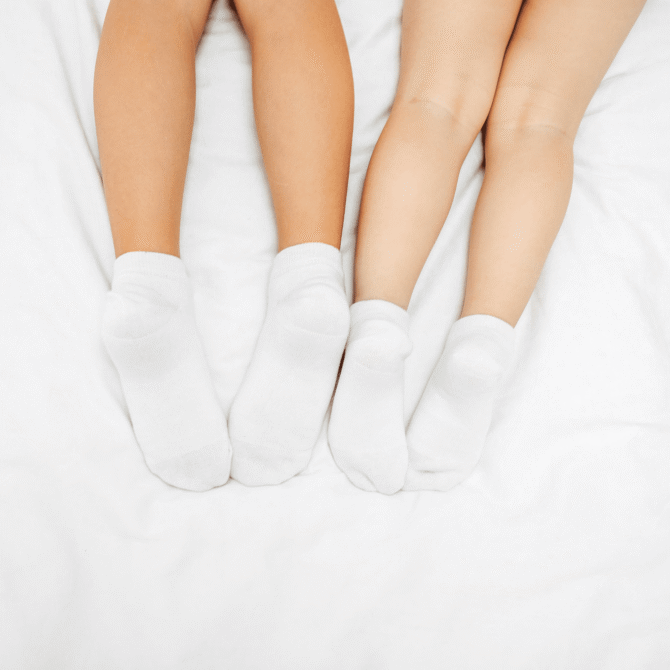
Feet matter just as much, and itchy feet at night are a common and often overlooked complaint. Soft, breathable eczema socks keep ankles and toes protected and calm, so your child is less likely to rub them raw. One parent told us their toddler was “in less discomfort at night so slept better within a day of trying ours. Covering these hotspots often makes the difference between a broken night and a settled one.
Itchy Legs Below the Knee in Children: How to Treat Them?Complete Guide to Eczema Gloves for Children
How Do You Build a Calming Bedtime Routine?
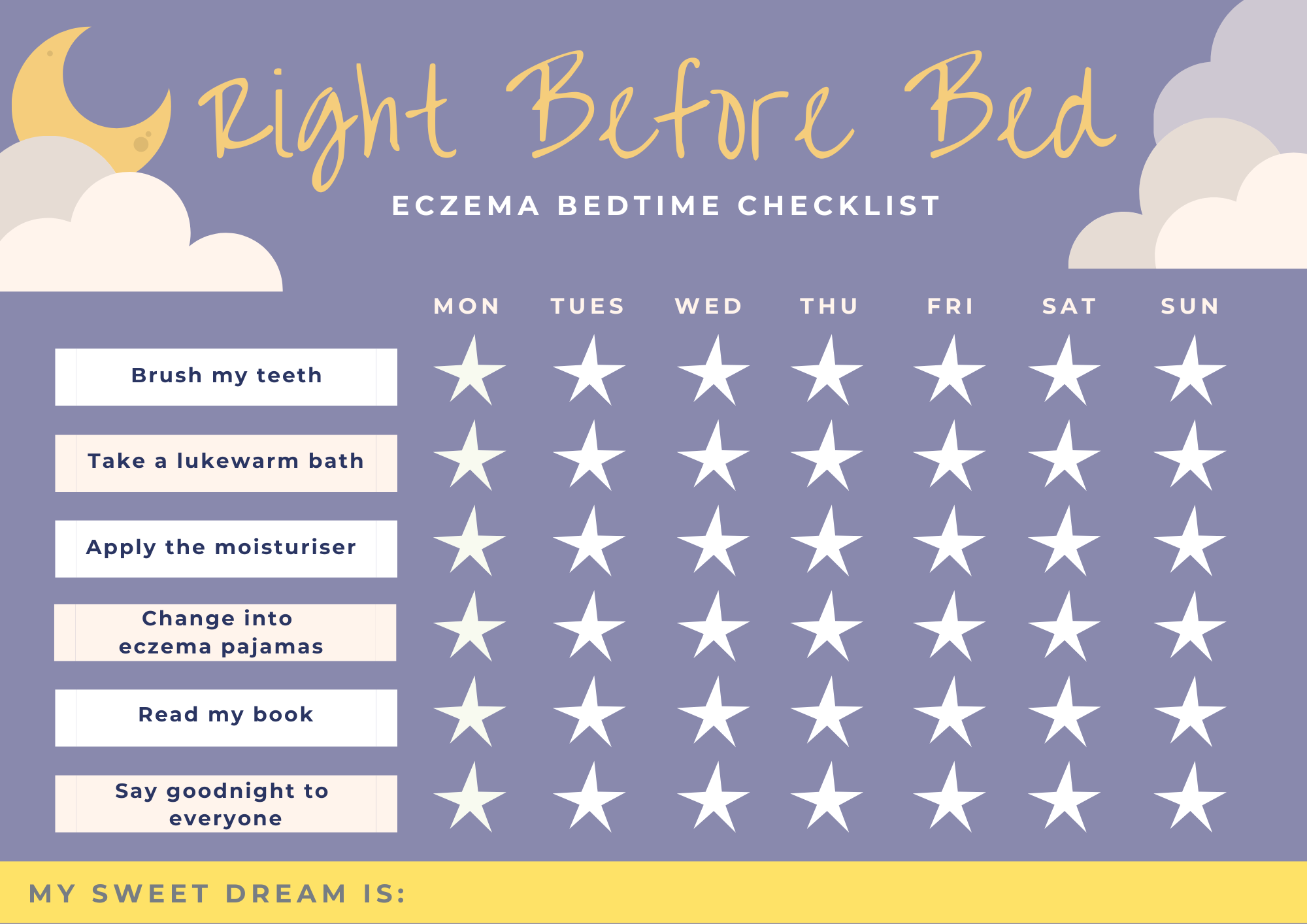
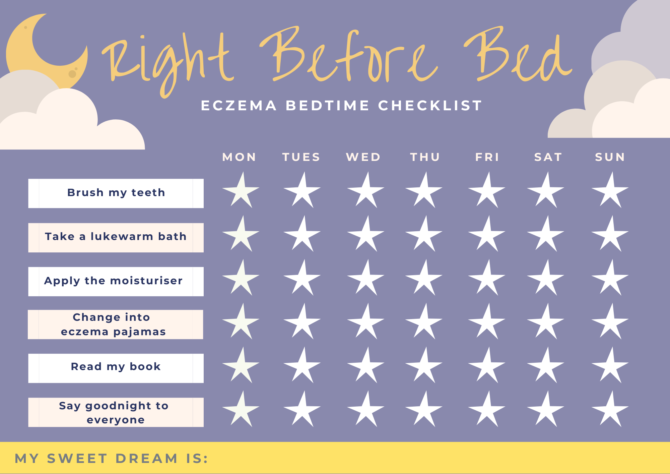
Sleepwear works best as part of a gentle wind-down. Keep the bedroom cool and avoid heavy, heat-trapping bedding. Give a short, lukewarm bath rather than a hot one, then moisturise within a few minutes to lock hydration in, using a supportive cream such as Rejuvaskin recovery cream to help restore the barrier before bed. Once your child’s skin has settled, dress them in clean, soft sleepwear. If you are using HappySkin garments, avoid layering thick or paraffin based creams underneath, as the clothing is designed to work directly with the skin. And keep little nails trimmed short to limit any damage from scratching.
Small, consistent steps like these, night after night, add up to calmer skin and better sleep for the whole family.
The Takeaway for Parents
Night-time is often the hardest part of childhood eczema, but it is also where small changes pay off most. Eczema worsens at night because of moisture loss, dipping cortisol, warmth and sweat, and the right sleepwear helps tackle several of those triggers at once, especially when you also protect little hands and feet and pair it with a calm bedtime routine.
Explore our full eczema clothing range to see how the incredible second skin can help your little one sleep. Happiness is seeing your child comfortable in their own skin, even while they rest.
Free Download Bedtime Eczema Checklist
Frequently Asked Questions
Why is my child's eczema worse at night?
Several things line up after dark. The skin loses more moisture in the evening, the body’s natural anti-inflammatory hormone dips overnight, and warmth and sweat under bedding add to the itch. Together they make night the most common time for scratching.
How quickly will sleepwear help?
It is not a cure, so it will not clear skin overnight. But most HappySkin parents notice a change within the first two weeks, and many find their child sleeps better and scratches less well before then.
What should a baby with eczema wear to bed?
Choose soft, breathable, temperature-regulating sleepwear with smooth or flat seams and no scratchy labels. Covering the hands and feet, where children scratch most, also helps. HappySkin sleepsuits and pyjamas are made for exactly this.
Should I put cream on before HappySkin sleepwear?
Moisturise as part of your bedtime routine, but avoid layering thick or paraffin based creams directly underneath HappySkin garments. The DreamSkin technology coating is designed to work directly with the skin, so heavy creams can get in the way.
Can HappySkin sleepwear be worn all year round?
Yes. Because DreamSkin helps regulate temperature, the same garments keep your child comfortable in both warmer and cooler months, rather than only in one season.
References
- Murota H and Katayama I, “Exacerbating factors of itch in atopic dermatitis”, Allergology International 2017;66(1):8-13, DOI 10.1016/j.alit.2016.10.005. PubMed: https://pubmed.ncbi.nlm.nih.gov/27863904/ (open access full text: https://www.sciencedirect.com/science/article/pii/S1323893016301599).
- Change AD UK, “Atopic Dermatitis and Sleep”: https://www.changead.co.uk/atopic-dermatitis-and-sleep.
- National Eczema Society, “Itching and scratching”: https://eczema.org/information-and-advice/living-with-eczema/itching-and-scratching/.