
28 May 2025

Look for a cream that is fragrance free, free form foaming agents such as SLS, free from thick oil àn made with a short list of gentle ingredients, with a light texture that keeps moisture in without leaving a heavy, greasy film on the skin. An oat cream can suit your baby too, as long as the rest of the formula is clean and paraffin free.
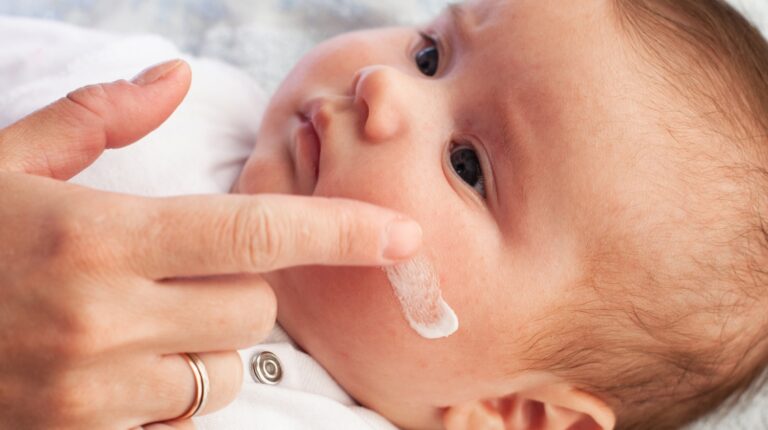
If you’ve ever stood in the baby aisle trying to understand the ingredient list on a tub while your little one scratches at very dry, angry red patches, you’ll know how confusing it can be. One cream promises natural oils, another is full of oats, honey, or zinc, and almost always says it’s gentle. The tricky part is that your baby’s skin doesn’t react to ingredients the way yours does so a cream that feels lovely on your hands probably the reason of theirs itching, angry red or dry patches.
We hear the same questions from parents in our community every week, so we’ve gathered the ingredients you ask about most and explained, in plain terms, which ones are worth looking for and which are better left on the shelf.
Your baby’s skin is still learning how to be a barrier and it keeps developing all the way through the early years. Until then, the outer layer is thinner than ours, so moisture escapes more quickly and your baby dries out faster, which is one reason eczema so often appears in the first year.
That thinner barrier works both ways, though. Just as water gets out more easily, whatever is in a cream gets in more easily too, and when eczema has already broken the skin the effect is even stronger. A cream that doesn’t suit your baby can keep the itch going for days, which means more scratching, more sore patches and more broken nights for everyone and that’s why the ingredient list matters so much more for them than it does for you.
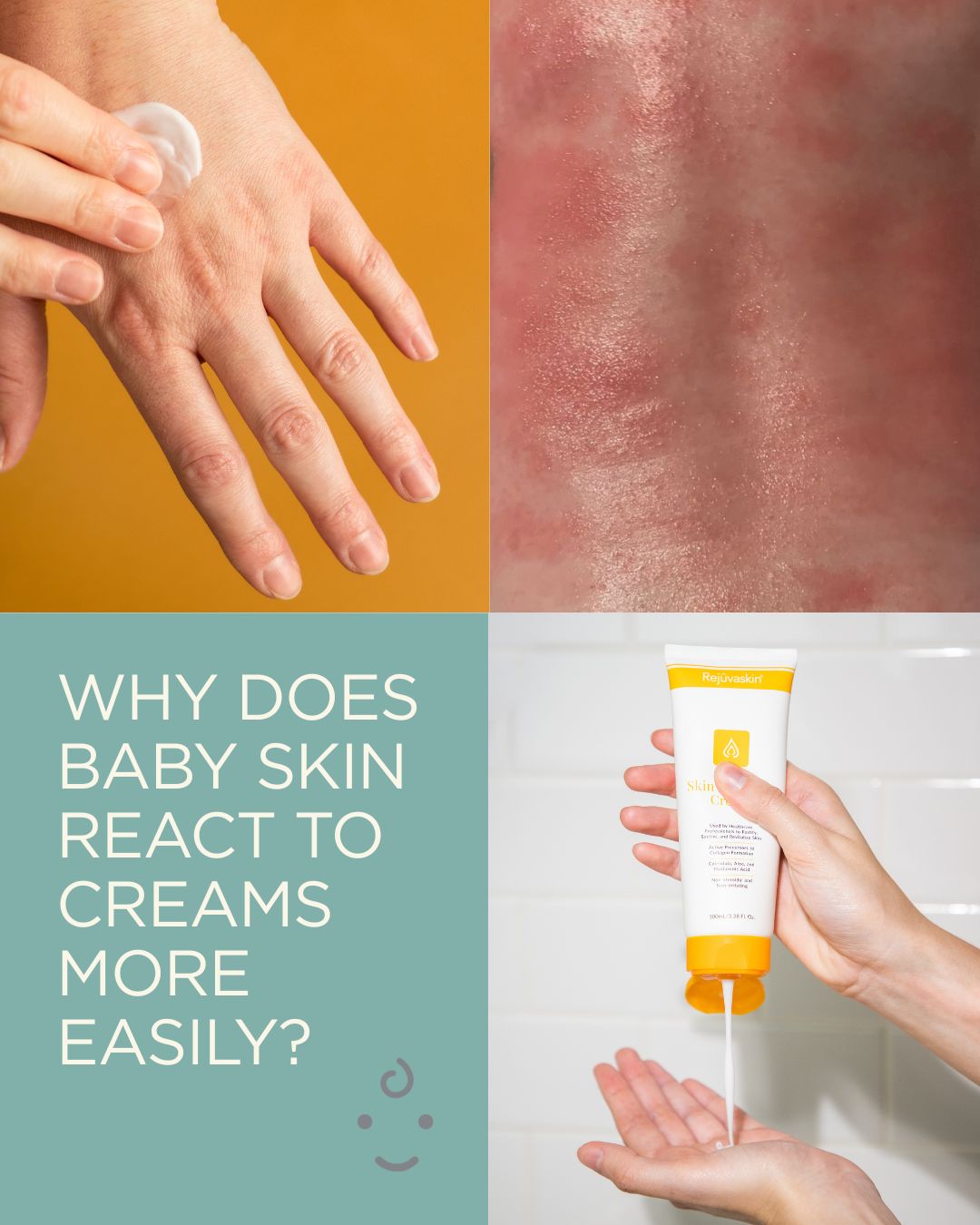
Aqueous cream is fine for washing, but it isn’t the right choice as a moisturiser that stays on your baby’s skin. The MHRA, the UK’s medicines regulator, has warned that aqueous cream left on the skin can cause stinging, burning, itching and redness, especially in children with eczema, and that this often happens within 20 minutes of putting it on. The likely culprit is sodium lauryl sulfate (SLS), a foaming agent in the cream’s base, so if your baby’s skin reacts, stop using it and choose an SLS-free moisturiser instead. It’s worth checking other products for it too, as it can be listed as sodium lauryl sulfate or sulphate.
It’s natural to assume that a kitchen cupboard oil must be gentle, but oils are one of the places where “natural” can catch parents out. Olive oil in particular has been shown to weaken the skin’s outer layer when it’s used regularly, which is the last thing eczema-prone skin needs, so it’s best kept for cooking rather than baby massage.
Nut oils deserve even more care. The National Eczema Society advises avoiding creams made with nut oils, such as almond or arachis (peanut) oil, because rubbing them into the skin can raise the risk of a baby developing a nut allergy. If you spot a nut oil or olive oil near the top of an ingredient list, it’s a good sign to put that tub back.
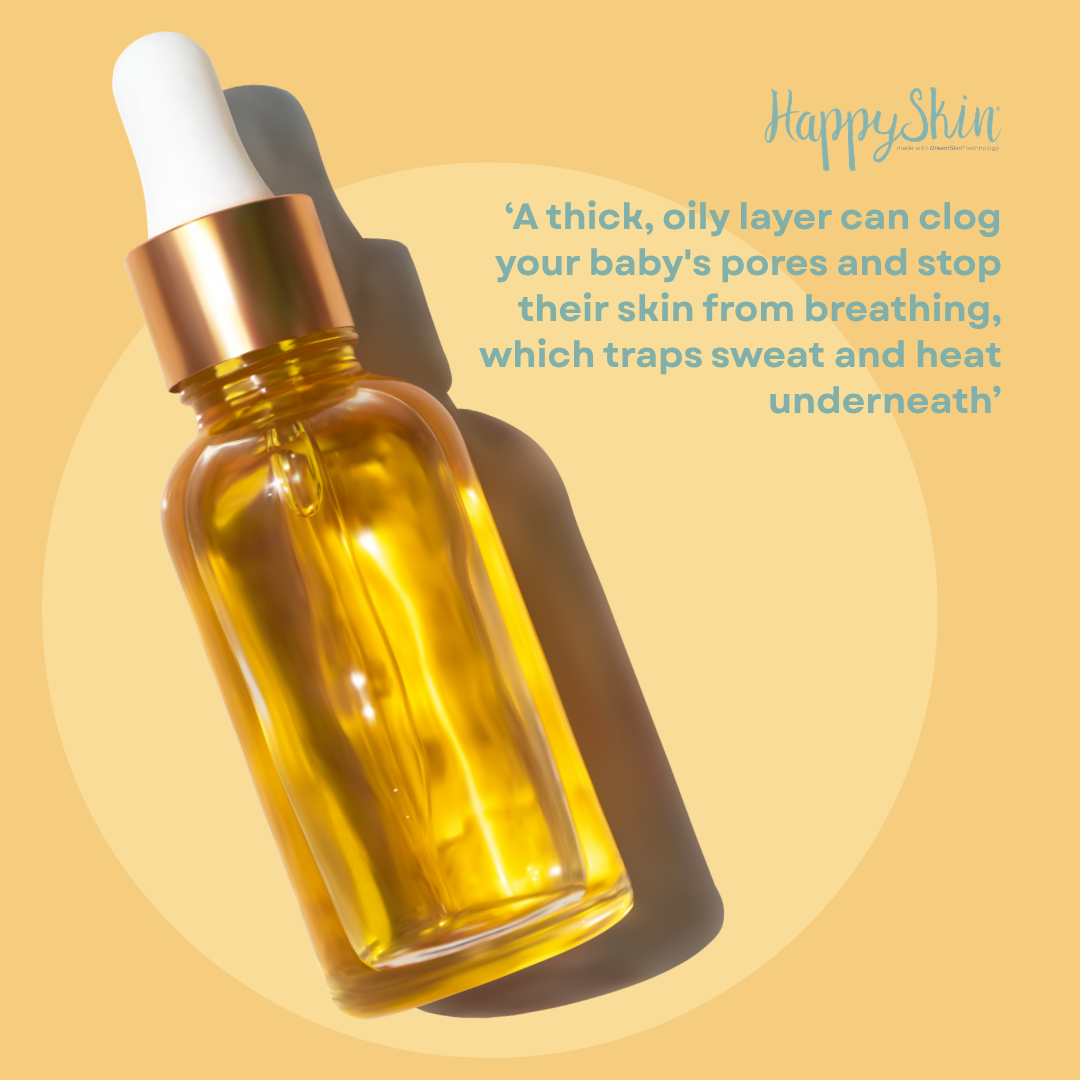
Heavy oils can also cause trouble simply because of the way they sit on the skin. A thick, oily layer can clog your baby’s pores and stop their skin from breathing, which traps sweat and heat underneath and that trapped sweat tends to settle on the very patches that are already sore and itchy. That’s why we prefer light, paraffin-free creams that soak in rather than sit on top, and why our eczema clothing is designed to manage moisture while still letting your baby’s skin breathe.
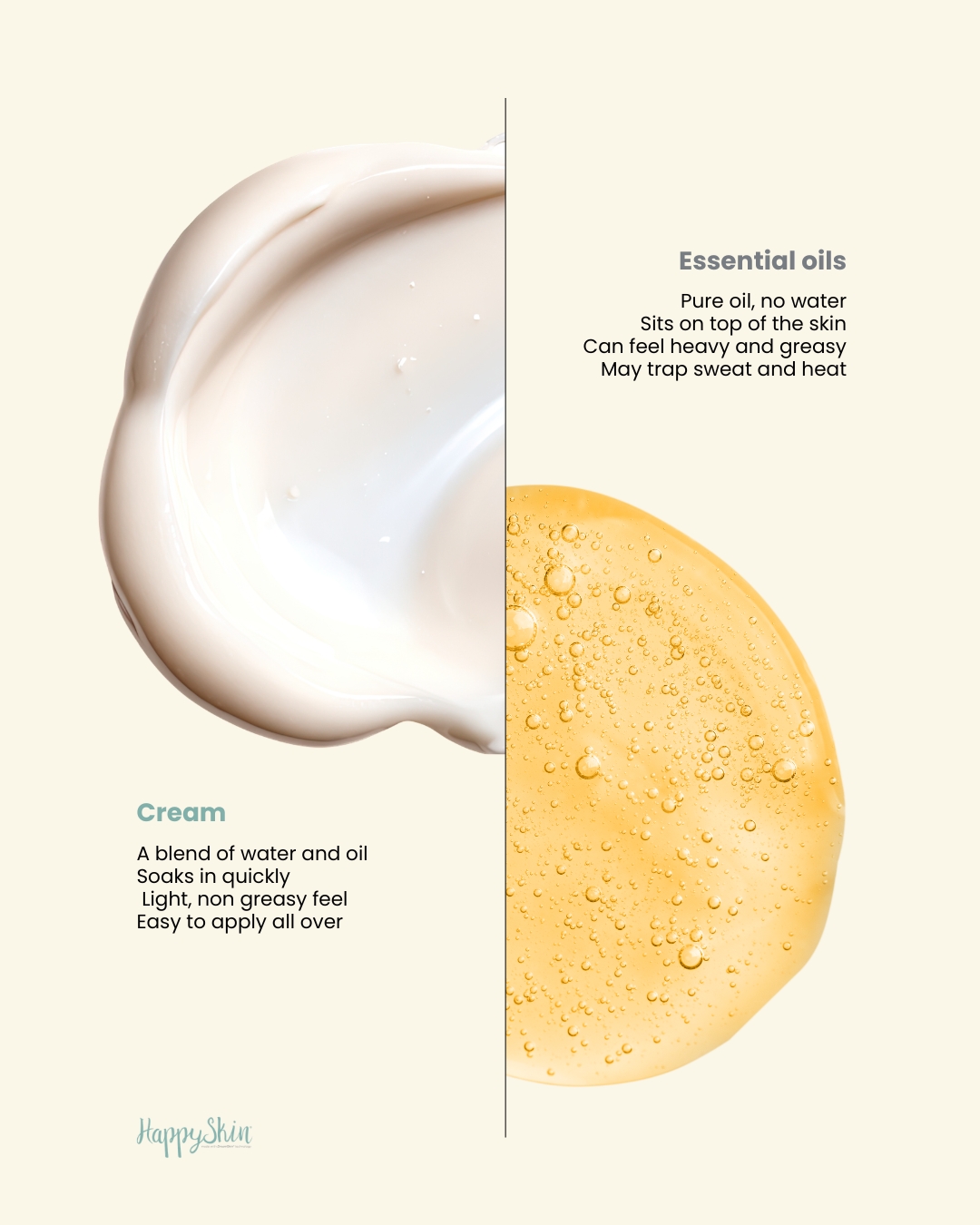
For everyday care, a cream is usually the easier and kinder choice for your baby’s skin. A cream is a blend of water and oil, so it gives dry skin a drink of moisture and then helps hold that moisture in, and its lighter texture soaks in quickly without leaving a greasy film behind. That makes it easy to smooth over your baby’s whole body several times a day, which is exactly how often eczema-prone skin needs it.
An oil works differently because it contains no water of its own. Instead of adding moisture, it mostly sits on top of the skin, which can feel heavy and greasy and, when it’s applied thickly, can trap sweat and heat against patches that are already itchy. Oils aren’t all the same, and we’ve seen above that some, like olive oil, can weaken the skin’s barrier over time, so for a baby with eczema a light, fragrance-free cream is the more reliable place to start.
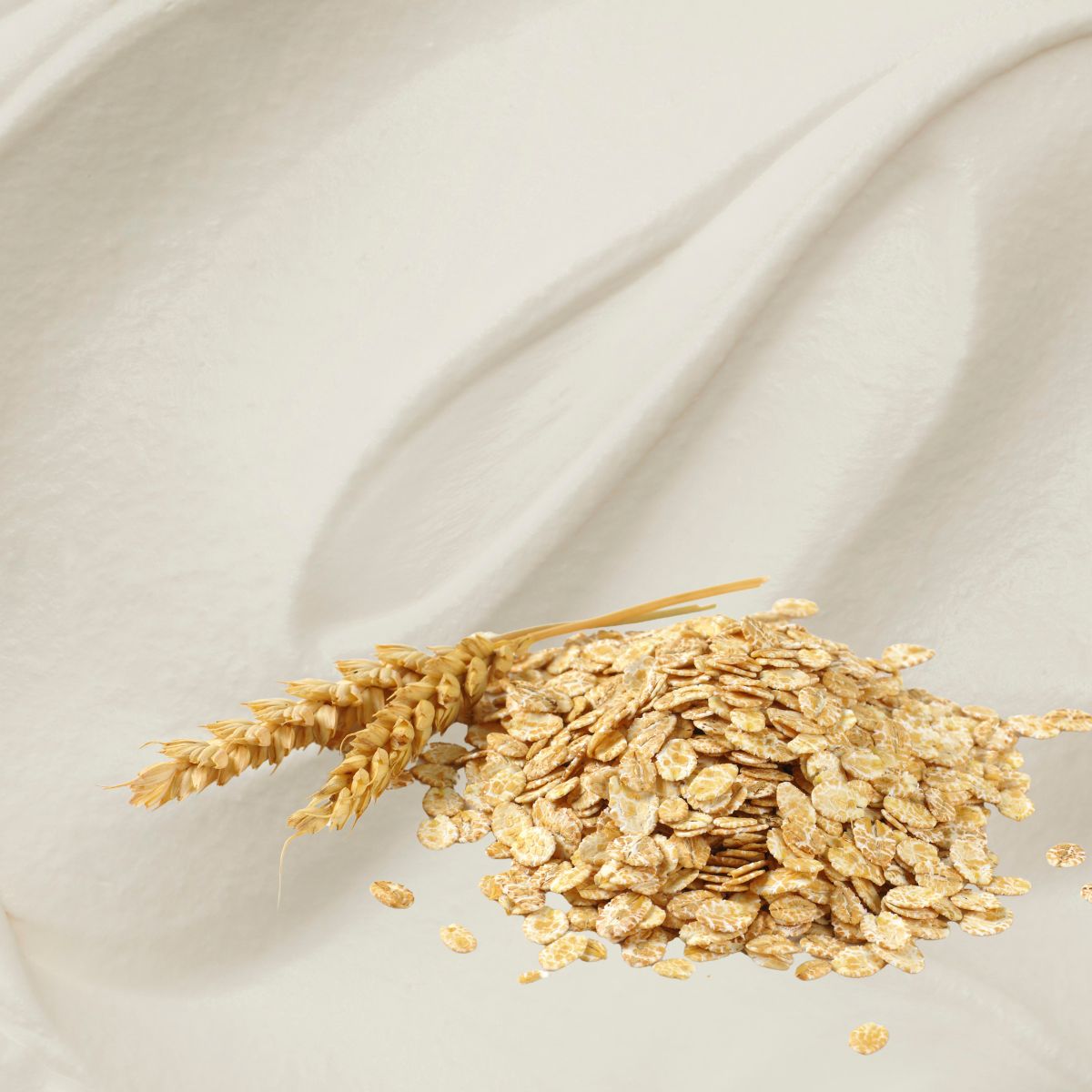
Yes, an oat cream can be a lovely choice for a baby with eczema, as long as the rest of the ingredient list is clean and the cream is paraffin-free. Colloidal oat, which is oat ground so finely that it blends smoothly into a cream, has been used in eczema care for decades because it helps the skin hold on to moisture and feel calmer. A small number of babies can be sensitive to oat, as they can be to almost any ingredient, so simply patch test a new oat cream first and you’ll know within a few days whether it suits them.
Zinc cream works well in the nappy area, but there’s little evidence that it helps eczema on its own. Zinc oxide sits on top of the skin as a barrier against wetness, which is why its strongest evidence is for nappy rash, while the studies in eczema have tested creams where zinc is only one of several active ingredients. So if your baby has eczema around their nappy, a zinc cream in that area can help protect the skin from moisture. For the rest of the body, NICE, which sets the treatment guidance doctors follow in England, recommends for children with eczema an unperfumed moisturiser applied all over, every day and in generous amounts, which is the job a light, spreadable cream is made for rather than a heavy texture.
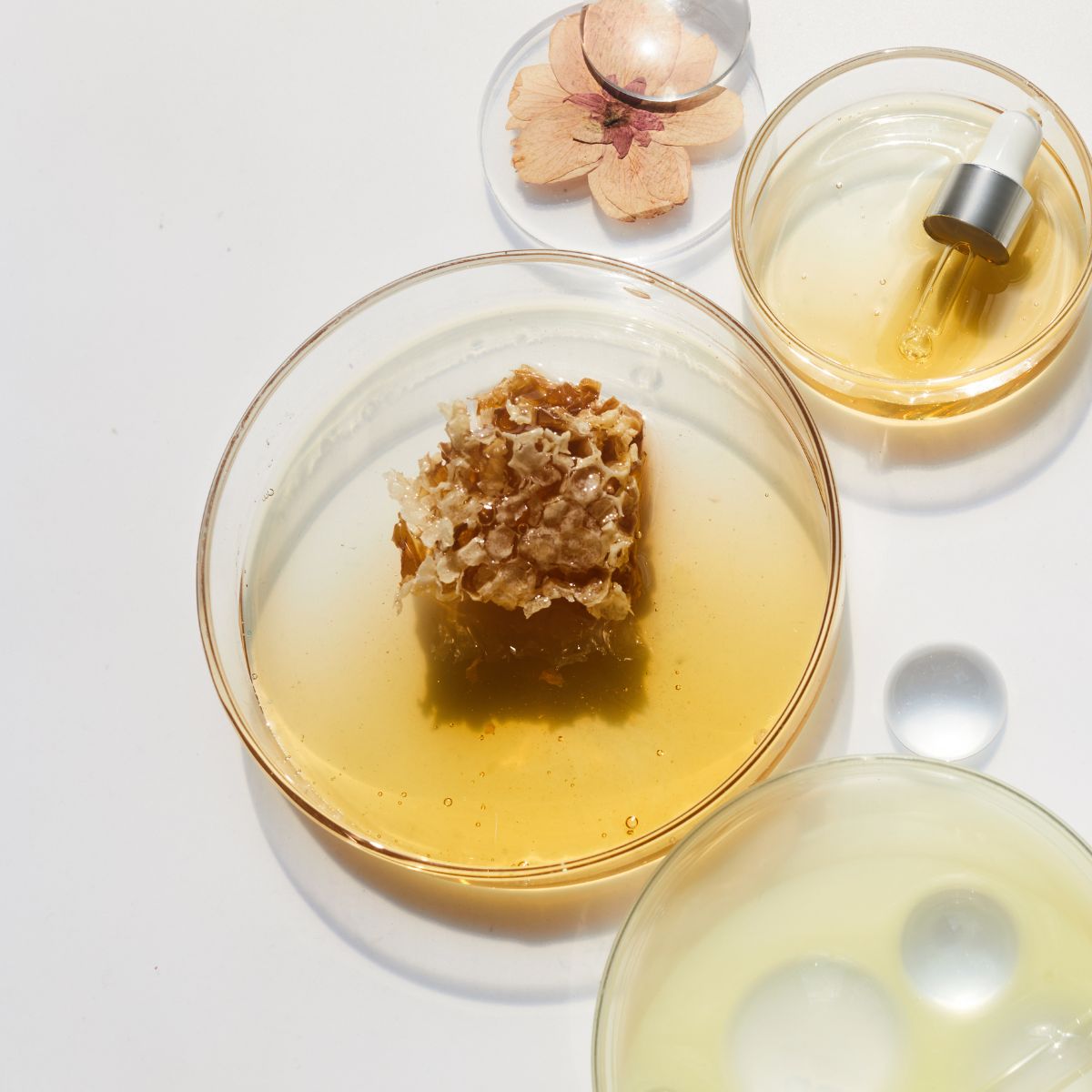
Manuka honey has picked up a loyal following among parents and a small study in adults with eczema has shown early promise. That research is still at an early stage, however, and it hasn’t yet been tested on babies’ skin. Until it has, it makes more sense to choose a cream for the ingredients with a longer track record on young skin than for the honey in it.
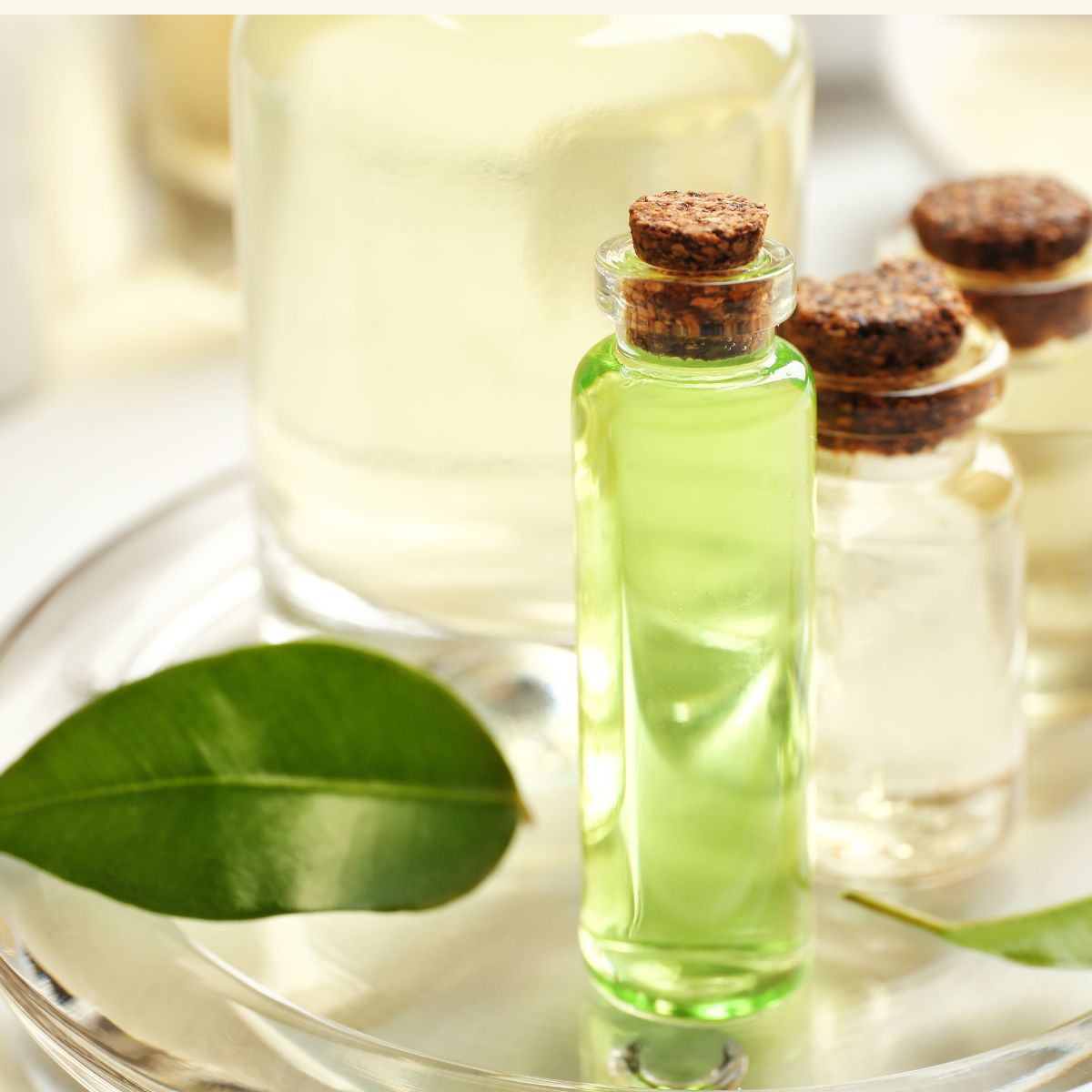
Essential oils are best left out of your baby’s cream, however soothing they sound. Many people with eczema are sensitive to fragrance, and essential oils like tea tree are a concentrated source of it, so they can trigger an itchy allergic rash on skin that is already struggling. They should never go on broken skin, which rules them out for most babies whose eczema is active.
Yes, if your baby has eczema, both are worth avoiding, because children with eczema react to lanolin and fragrance more often than others children do. Lanolin is a natural oil from sheep’s wool that is often added to make a cream feel richer, and you’ll usually see it listed as lanolin or lanolin alcohol. Fragrance is harder to spot, since it can appear on the label as “parfum” or under the names of individual scents. Choosing a cream that is both unperfumed and lanolin-free takes two common triggers off the list straight away.
When you pick up a cream for your baby, what it leaves out matters just as much as what it puts in. A fragrance free formula won’t add another irritant to sensitive skin, and a cream without SLS won’t sting when you smooth it on. Leaving out nut and olive oils keeps allergy risks and barrier damaging oils away from broken skin, while skipping lanolin removes one of the most common triggers for children with eczema. A short ingredient list makes it easier to spot anything that doesn’t suit your baby, and a light, non greasy texture means you can apply it generously and often without leaving a heavy layer sitting on the skin.
Using enough cream makes as big a difference as choosing the right one, so apply it all over your baby’s body several times a day, even on days when their skin looks clear. Smooth it on gently rather than rubbing it in, because rubbing can irritate skin that is already sore, and keep a tub in the changing bag so you never get caught out.
Before you use a new cream everywhere, try it on a small patch of skin without eczema, such as the inner arm just below the elbow, once a day for three to five days. If the skin stays calm, you can carry on with confidence.
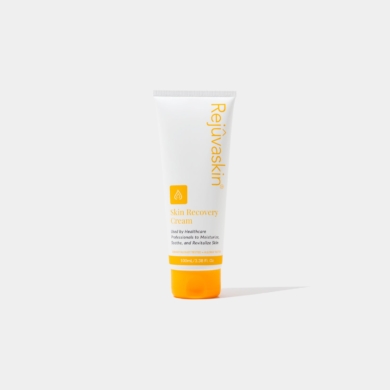
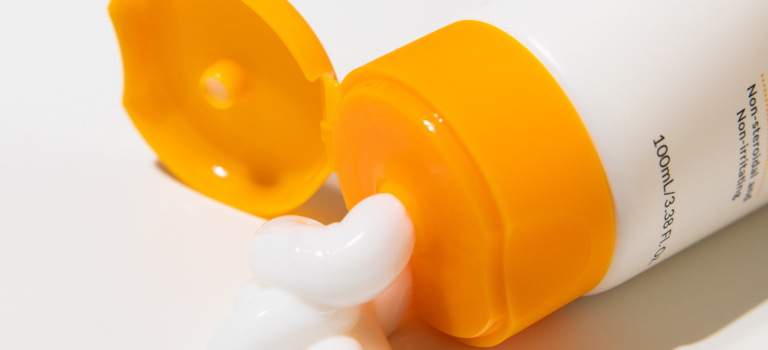
Our RejuvaSkin Recovery Cream is paraffin-free, paraben-free, and steroid-free, and it’s made to work alongside our HappySkin baby eczema clothing as part of one simple routine. If you’re just getting started, our starter packs bring together the clothing your baby needs, and you can add the cream to your order or subscribe to save 10% on every delivery.
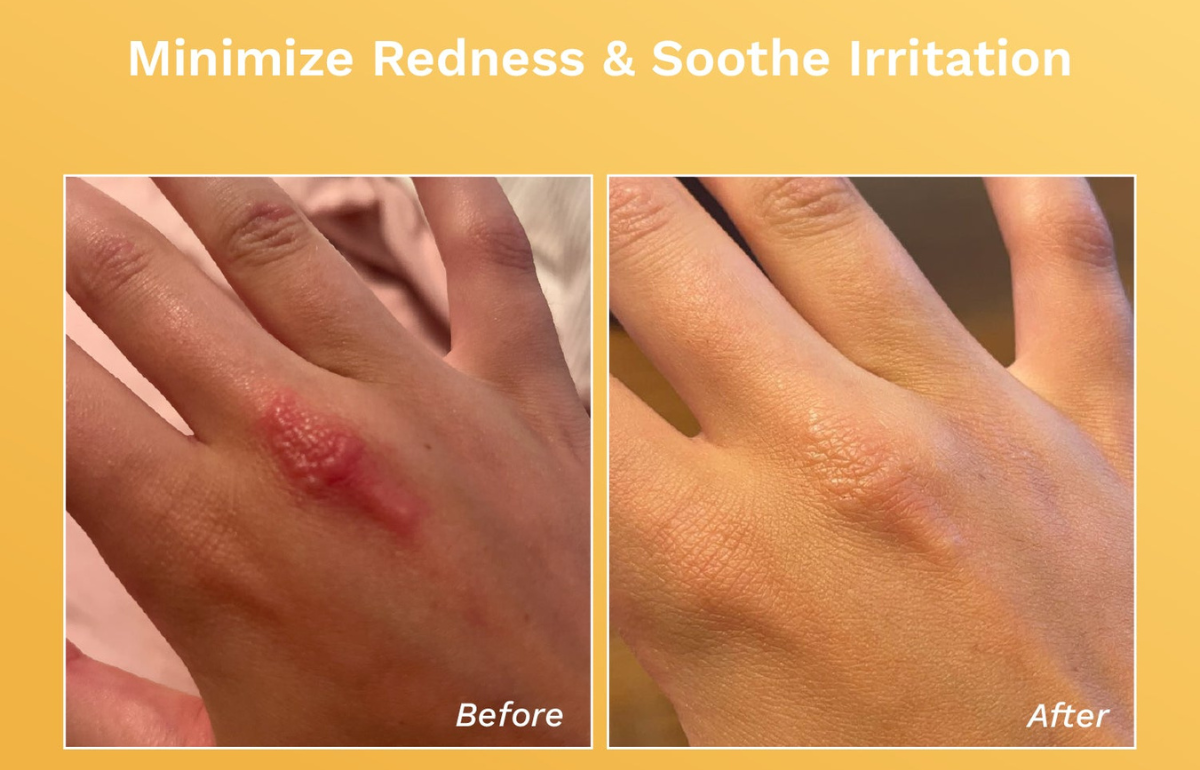
The best cream for your baby is one that is fragrance-free, SLS-free, free from greasy oils and gentle enough to use every day. Every baby is different, so patch-test anything new first, and take a look at our guide to finding the best eczema cream for more ideas.
An oat cream can suit a baby with eczema as long as the ingredient list is clean and paraffin- free. Patch test it for a few days first and stop if you notice any redness or itching.
Paraffin-based creams form a thick waterproof layer on the skin, which is why many parents prefer a paraffin-free cream for everyday use. Our article on whether paraffin is bad for eczema explains the difference.
To get the newest eczema news, helpful tips, and special discounts first, please join our mailing list.
Simply enter your email below!