Breastmilk for Baby Eczema: Does It Actually Work?
2 December 2025
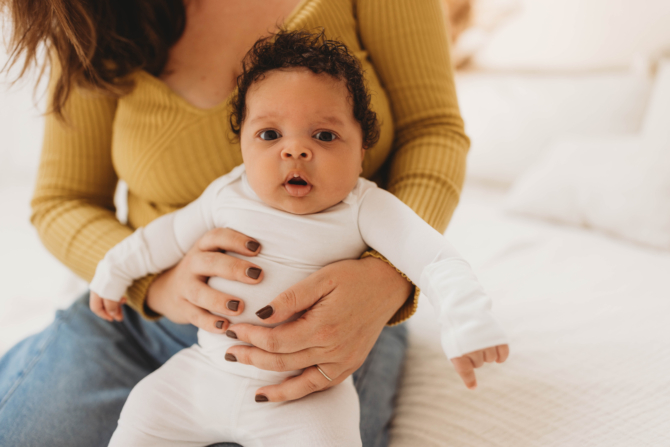
If you’re desperately searching for anything that might help your baby’s eczema, you’ve probably come across the advice to try breastmilk. It’s natural, it’s free, and it’s always available. But does it actually work?
The short answer is: it depends. For some babies with mild eczema, breastmilk can provide genuine relief. For others with more severe symptoms, it barely makes a dent. Let’s look at what the science says, so you can make an informed decision.
What the Research Actually Says About Breastmilk and Eczema
The most-cited study on this topic was published in 2015 in the International Journal of Dermatology. Researchers compared breastmilk to 1% hydrocortisone cream in treating infant eczema.
Key findings:
- Breastmilk was as effective as hydrocortisone for mild atopic dermatitis
- Both treatments showed improvement after 21 days
- Breastmilk had no side effects (unlike steroid creams)
- The study was small (104 infants) and only looked at mild cases
A separate 2019 study in the Journal of Allergy and Clinical Immunology found that babies exclusively breastfed for 3+ months had a lower risk of developing eczema by age 6. This suggests breastfeeding may have preventive benefits too.
Important: These studies looked at mild eczema. If your baby has moderate to severe eczema with cracked, weeping, or infected skin, breastmilk alone is unlikely to be sufficient. Please consult your GP or dermatologist.
How to Apply Breastmilk for Baby Eczema
If you want to try breastmilk for your baby’s mild eczema, here’s the proper method:
- Express fresh breastmilk into a clean container
- Clean the affected area gently with lukewarm water
- Apply breastmilk using a clean cotton ball or your clean fingers
- Let it air dry for a few minutes before dressing your baby
- Repeat 2-3 times daily for at least 2-3 weeks to see results
Tip: Fresh breastmilk works better than frozen, as freezing may reduce some of the beneficial antibodies.
When Breastmilk Isn’t Enough: Signs You Need More Help
Many parents try breastmilk hoping for a miracle cure, only to feel disappointed when their baby’s eczema persists. Here’s the reality: breastmilk is a gentle, supportive treatment, not a cure-all.
You likely need additional treatment if your baby has:
- Cracked or bleeding skin
- Yellow crusting (possible infection)
- Eczema covering large areas of the body
- Disrupted sleep due to itching
- Visible distress or constant scratching
- No improvement after 2-3 weeks of breastmilk application
In these cases, breastmilk can be part of your approach, but you’ll need additional solutions.
Not Breastfeeding? Here’s What Works Instead
If you’re formula feeding, or your baby has moved past breastfeeding, don’t worry. There are equally effective (and in many cases, more effective) options available.
Eczema-Specific Clothing
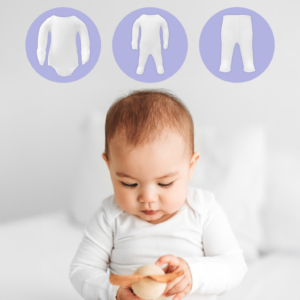
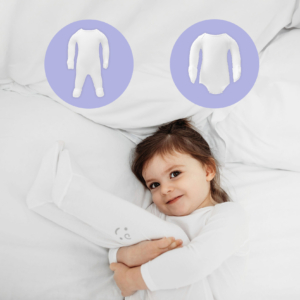
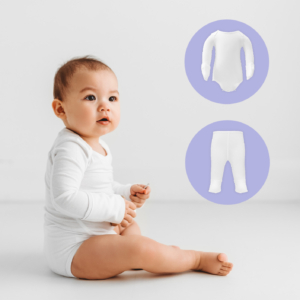
One solution that’s helped over 32,000 UK families is therapeutic eczema clothing. Unlike regular cotton, specialised fabrics like those with DreamSkin® technology actively help the skin regulate moisture and temperature, which is exactly what eczema-damaged skin struggles to do.
Learn how DreamSkin® technology work
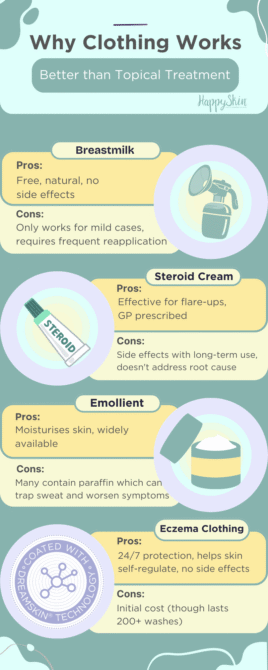
Why Clothing Often Works Better Than Topical Treatments
Shop Soothing Baby Eczema SleepsuitsShop Soothing Eczema Baby Bodysuit
Foods That Can Trigger Eczema Through Breastmilk
If you’re breastfeeding and your baby has eczema, what you eat matters. Allergens can pass through breastmilk and trigger flare-ups.
Common triggers to consider eliminating:
- Cow’s milk and dairy (most common trigger)
- Eggs
- Peanuts and tree nuts
- Soy
- Wheat
- Shellfish
Important: Don’t eliminate foods without guidance. Speak to your GP or a registered dietitian before making significant dietary changes while breastfeeding.
Long-Term Solutions That Actually Work
Breastmilk can be a helpful part of managing baby eczema, but for lasting relief, most parents find they need a multi-pronged approach:
- Gentle skincare routine with fragrance-free products
- Identify and avoid triggers (foods, fabrics, detergents)
- Keep skin protected with appropriate clothing
- Prevent scratching especially at night
Download Our Free Eczema Food Diary
1. Can breastmilk help soothe my baby’s eczema symptoms?
Yes, breastmilk may help soothe mild eczema in some babies. It contains natural antibodies, anti-inflammatory agents, and growth factors that can support skin healing. Some studies have shown that applying breastmilk topically to mild eczema patches can be as effective as low-strength hydrocortisone cream. However, results vary by baby, and breastmilk should not replace prescribed treatments for moderate or severe eczema.
2. What if my baby is formula-fed—are there alternatives to breastmilk for eczema care?
Absolutely. While breastmilk has healing properties, eczema care focuses more on gentle skincare routines and avoiding triggers. Whether breastfed or formula-fed, all babies benefit from:
-
Lukewarm baths (not hot)
-
Daily use of eczema-safe moisturizers
-
Wearing breathable, chemical-free clothing (like HappySkin’s garments)
-
Avoiding harsh detergents or scented products
3. Should I stop breastfeeding if my baby has eczema?
Not at all. Breastfeeding offers many immune and nutritional benefits and may even reduce your baby’s risk of developing allergies long-term. Unless your pediatrician advises otherwise due to a suspected allergy, you can and should continue breastfeeding while managing eczema with gentle skincare and medical advice.
4. How can HappySkin clothing support my baby’s eczema alongside natural remedies like breastmilk?
HappySkin’s eczema-friendly garments are made with DreamSkin® technology, designed to mimic the skin’s natural barrier. These clothes help reduce itching, irritation, and moisture loss — complementing any soothing treatments like breastmilk or moisturizers. The breathable, tag-free design makes them ideal for babies with sensitive or eczema-prone skin.
5. Is it true that breastmilk is a miracle cure for eczema, or is that a myth?
That’s mostly a myth. Breastmilk is wonderful for babies, but it’s not a proven cure for eczema. Some people say “just smear breastmilk and eczema goes away,” but research is limited and mixed.
Connect to Our Resident Skin Expert
Have a question about how HappySkin works and how it can be used in your daily routine? Book your free Skin Expert call OR message us for quick skin advice!
Here at HappySkin we don’t want you to feel alone in your journey. When you buy HappySkin you become part of our family and as your family we will be here for you whenever you need.
Send us a WhatsApp message here:
+44(0)7384 857577