



9 March 2022

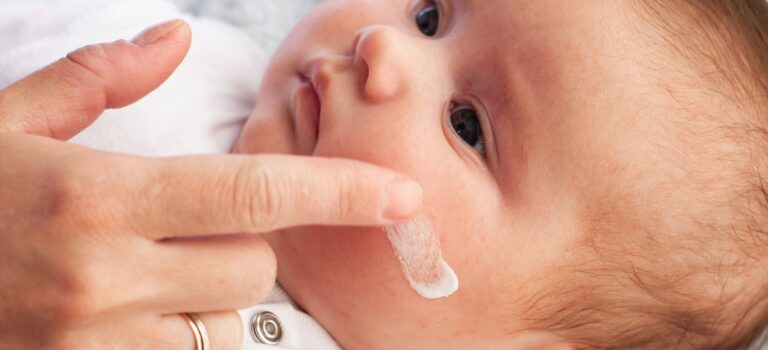
When you take your child to the GP looking for a way to get some relief from atopic dermatitis, most often, you’ll get prescribed a paraffin cream for eczema . Creams play a central part in the traditional approach taken by the NHS in treating the problem, in fact, there are more than 100 different moisturizers prescribed.
There are some non-paraffin eczema cream products on the market, but they don’t tend to be the first thing that doctors lean towards with newly introduced eczema cases in children. Unless a paraffin-based emollient either hasn’t provided results or is specifically objected to by the parents, creams containing paraffin for eczema are the go-to option.
So, if paraffin and eczema are such familiar bedfellows for parents across the UK, the natural question to ask here would be, “Is paraffin bad for eczema ?”. Of course, you might assume that the fact they’re prescribed so often would suggest that they are.
However, as you’ll find out by reading on, there’s a bit of an issue with paraffin treatment for eczema that isn’t widely known. Let’s dig into the subject a little more.
Why Is My Baby Skin Always Dry and Red? It Could Be a Damaged Skin Barrier Eczema Treatments
The Theory About Paraffin Cream For Eczema
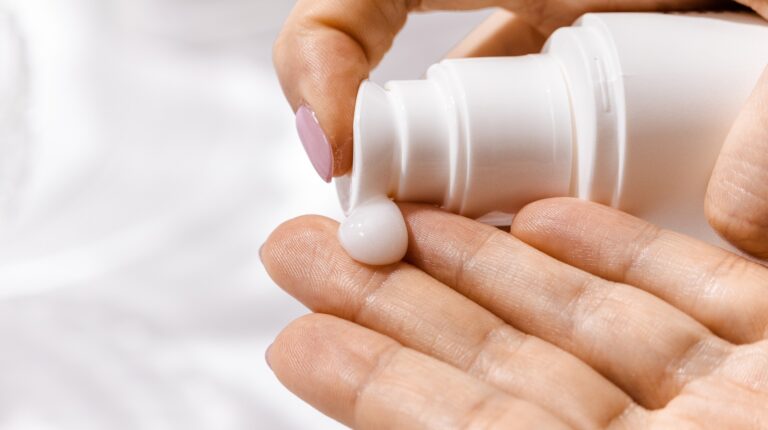
Look into liquid paraffin eczema creams (a.k.a. emollients), and you’ll see that they form a protective layer of the skin in order to prevent dryness and cracking. As a derivative of petroleum, oil shale or coal, paraffin is odourless and tasteless and is renowned for being able to trap moisture next to the skin.
The theory upon which the prescription of paraffin-based products for eczema is based is that locking in moisture will give the skin the hydration it needs for good health. It’s also believed that these occlusive creams soothe discomfort while providing a physical barrier that protects it from external allergens that might exacerbate the symptoms.
All sounds very good, doesn’t it? However, the reality faced by parents using paraffin cream eczema treatment isn’t so rosy.
Paraffin Creams Lock in More Than Moisture
No one is disputing the fact that paraffin is a largely benign by-product of oil and petrol. However, the issue comes with the effect it provides. Sure, creams containing paraffin for eczema do provide a barrier, and they do lock in moisture, but they also prevent the skin from regulating its temperature by stopping its ability to sweat.
The reason why so many parents don’t really see much improvement in their child’s eczema over time when using these paraffin gel eczema treatments is that they don’t deal with the root cause – they just manage the symptoms. What’s more, they also lock in sweat which also contains trace amounts of urea, salt and ammonia, which can aggravate the skin.
These creams can also be quite uncomfortable for your little ones, as this aggravation can make them feel itchy and unhappy, meaning tears. So, while it’s very rare for kids to be allergic to paraffin, these creams are often ineffective because they don’t help the skin restore its natural balance and innate ability to control how warm or cold it is.
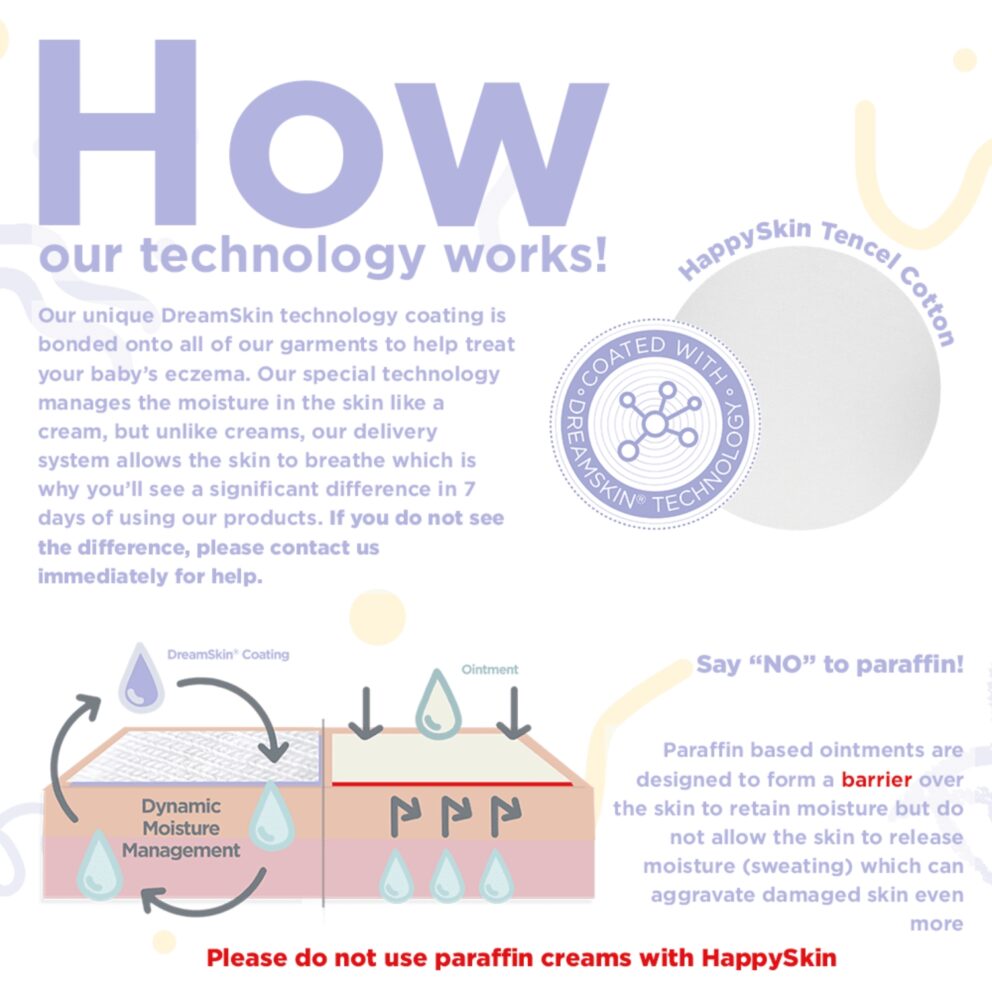
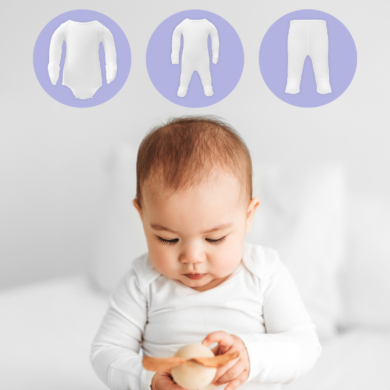
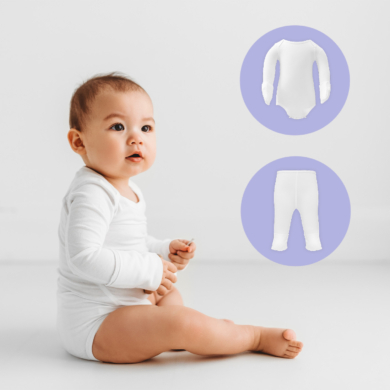
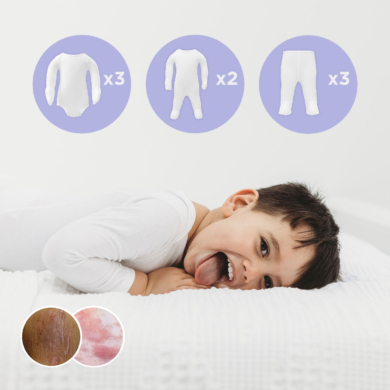
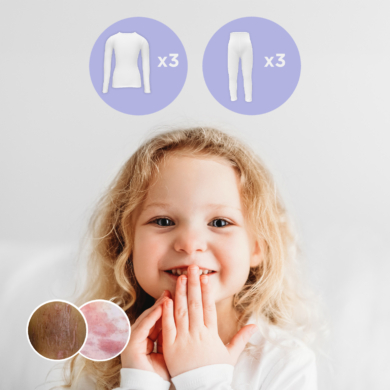
At HappySkin, our supersoft TENCEL™/cotton garments deal with the problem of childhood eczema in a different and much more gentle way. Helping to restore the skin’s ability to regulate its temperature by sweating when warm or holding onto moisture in the cold, our clothing is coated by DreamSkin polymer technology.
When used in conjunction with paraffin-free eczema cream, our innovative skin-like Dreamskin coating tricks the skin sensors into thinking that the damaged skin is healthy and kick-starts the natural moisturizing function. This is central to healthy eczema-free skin and so lets your kids enjoy a tear-free time of things. Just by wearing our garments, your child’s skin gets put on the road to recovery.
What’s Unique About HappySkin Eczema Clothing?HappySkin Eczema Care Offers Gentle Skin Support
So, while paraffin cream for eczema might not be toxic, the barrier it creates on your child’s skin isn’t as supportive of skin health as your doctor will have you believe. Rather than helping the skin to recover from eczema, these emollient creams often serve to prolong the problem and leave parents wondering when it will all end.
Science has yet to discover a cure for eczema, but Happy Skin garments offer the next best thing – an effective way to break the cycle of atopic dermatitis and restore skin health. So, if you’d like to know more about our industry-leading baby clothing recommended by Mother&Baby and MadeforMums, take a few minutes to browse our site.
Alternatively, to speak to our team directly about your requirements, just call us on 01707 260 505 (press option 2)and we’ll be delighted to give you the advice you need.
Paraffin is not toxic, but it is often ineffective for eczema because it prevents the skin from regulating its temperature. While paraffin-based creams lock in moisture, they also trap sweat containing urea, salt, and ammonia against already irritated skin, which can make eczema worse over time.
Paraffin-based emollients are commonly prescribed by GPs because they form a protective layer on the skin to prevent dryness and cracking. The theory is that locking in moisture helps eczema-prone skin stay hydrated. However, they do not address the root cause of eczema and can prevent the skin from naturally regulating its moisture and temperature.
Yes, in many cases paraffin cream can make eczema worse. By blocking the skin’s pores, it prevents sweating, which traps moisture containing irritants like ammonia, salt, and urea beneath the cream. This can aggravate already damaged skin and leave children feeling itchy and uncomfortable.
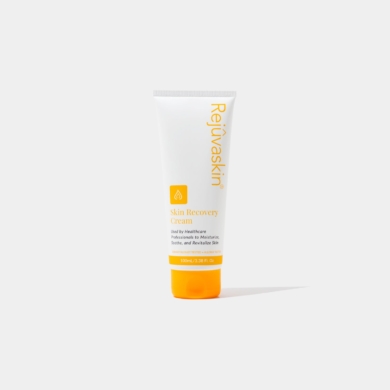
Yes. Non-paraffin creams and oat-based moisturisers are better suited to children whose skin is aggravated by paraffin-based products. HappySkin’s Rejuvaskin Recovery Cream is a paraffin-free option formulated for eczema-prone skin. Ask your GP or dermatologist for guidance on the best option for your child.